
Becoming A Hand Lettering Artist
In 1991 I moved to San Francisco. I was on my way to becoming a hand lettering artist. I cut vinyl letters on a Gerber vinyl cutter in a sign shop in Oakland. Later, I managed an in-house sign shop in San Francisco. I designed banners, cut and installed vinyl letters and graphics, managed the shop’s budget and directly worked with customers.
A few years later I moved to Cleveland. I earned a BFA degree in graphic design at the University of Akron. After graduation I was hired as a full time production designer for American Greetings in Cleveland, Ohio. Lucky me, my cubicle was near the lettering artists and calligraphers at American Greetings. They were big time professionals who conducted classes at the annual international calligraphy conferences. They were innovative with letterform construction and tool manipulation. Their compositions were full of life. When I met the team I knew where I had to be.
After work I would practice lettering at home. The tool I wanted to master was the Pentel colorbrush. The Pentel colorbrush is made of two components, a squeezable ink cartridge and an inkwell with a brush. The ink cartridge screws onto the inkwell and brush. Squeeze the ink cartridge to release ink into the inkwell. When the inkwell is about half full the ink slowly flows onto the brush. Once the brush is charged or full with ink the actual lettering can begin. I spent many hours practicing to get the ink flow just right and to use the colorbrush effectively.
Because of my interest and tenacity I transitioned to the lettering team. A mentor on the team oversaw my development. When I joined I attended the annual international calligraphy conference. My instructor was Carl Rohrs. He was a friend and mentor to many members of the team. Carl shared letterform construction in his workshop. He showed us how to hold and use tools correctly. After a week of intense lessons I went home and passed out but I left the workshop motivated. I was excited to practice and learn more about the art and craft of hand lettering.
Hours upon hours of practice and persistence paid off. I learned to use the Pentel colorbrush and other tools. I broadened my scope of lettering designs. I developed a signature style. It was developed into a proprietary typeface for American Greetings. When I walked down a card aisle at Target, Walmart or one of the big drugstore chains I would see my typeface and hand lettering designs. I’m not going to lie my chest puffed up a bit.
In 2007 my husband and I moved to Pasadena for his job. I became a freelance lettering artist for American Greetings and other greeting card companies.
In 2012 I started a blog called Handlettering Cite, later called Lettering Guy, where I explored other ways to make letters and interviewed lettering artists. Today I practice in my personal way.
If you want to become a lettering artist, give yourself a very simple project. Grab your favorite writing tool like a pencil or ballpoint and piece of paper with lines. Write your name, a word, a line from a song, a quote from a movie, or something you can relate to. Examine what your wrote. Ask yourself if your handwriting is readable. If isn’t to someone other than you then you got some homework to do.
So, write your text again but write more slowly. Actually draw letters. Hand lettering isn’t about penmanship. Handwriting does not determine or predict who becomes a hand lettering artist. Hand lettering is an art and a craft. Hand lettering requires skill and mastery of tools and medium. It requires patience and practice.
When you finish practicing and writing your text, think about a composition for your text. How will your letters interact and connect with each other? Is one letter bigger than others? Do the letters jump above or fall below the line on your paper to give them a bounce?
If you write with a tight grip you tend to write from your wrist. Your letters probably look cramped and pinched. Ouch! When you’re hand lettering hold the tool lightly. Let it rest or almost float in your hand. Use your whole arm to draw letters. Over time you’ll see a difference in how your letters come to life with these suggestions. They actually flow and bounce. By the way an outcome of your hand lettering practice is your actual hand writing will improve.
As your practice continues and evolves research local, national and international lettering artists, look at old alphabets and typefaces, explore traditional and digital tools and mediums, attend workshops, watch tutorials. I keep a small library of books about lettering. I look at them all the time. I follow artists on Instagram. I collect samples on Pinterest. The knowledge and expertise I get from books and videos inform my practice. If you’re not learning, you’re not growing.
When you’re starting out try not to get precious about your lettering. I wish I saved my first practice sheets to share. My letters sucked! Over time I promise you will make confident marks and find a personal style. In the meantime just enjoy the adventure and explorations. Let your interest and curiosity drive you. Let evolution happen.
Examples of hand lettering designs for greeting card companies
A sample of my typeface design
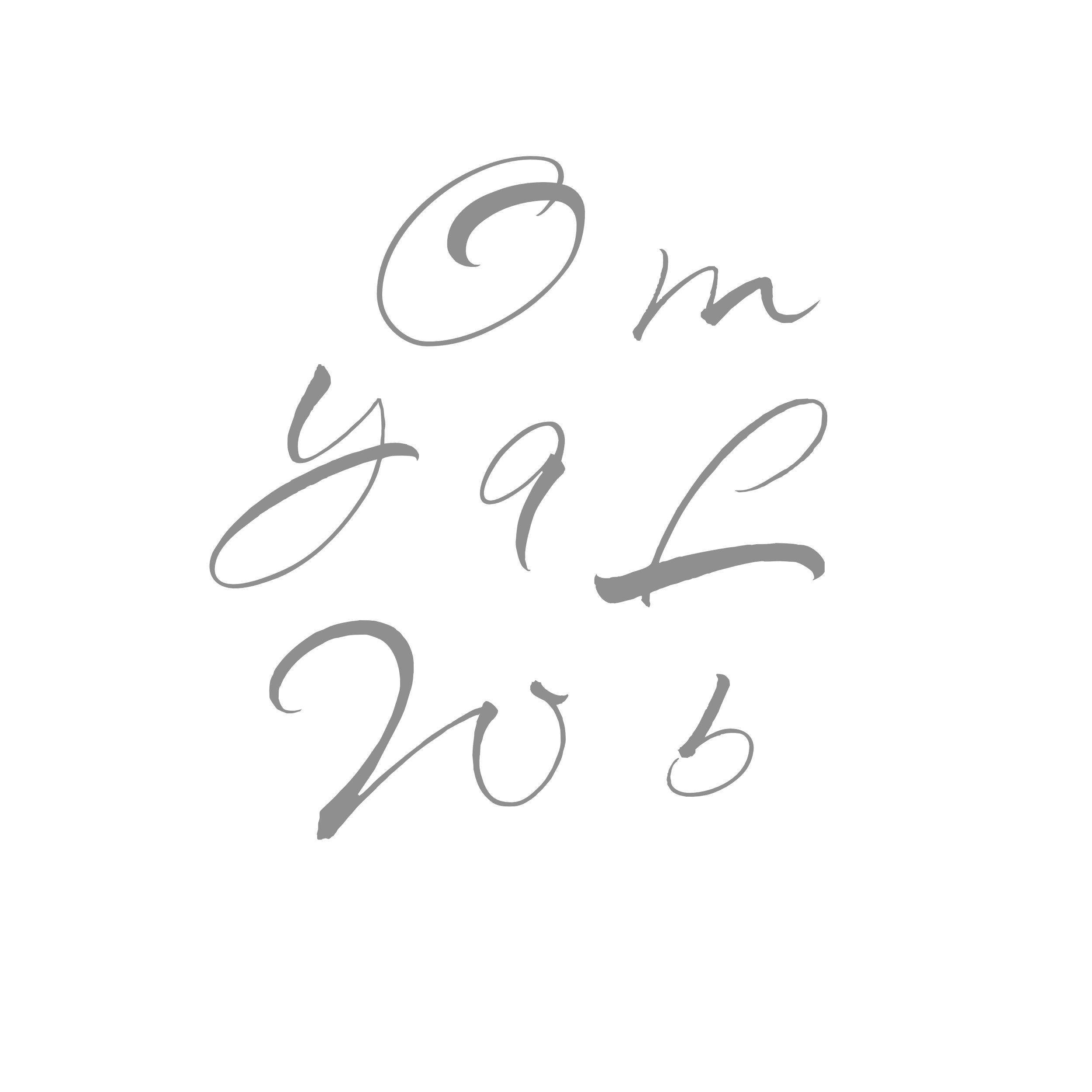
Personal project

Reference books from my personal library
